
Tuscany Wine Regions Explained
10 minutes
·
A Traveler’s Guide to Tuscany’s Most Remarkable Wine Regions
Rolling vineyards, medieval villages, and centuries of winemaking. Each corner of Tuscany offers a distinct experience. Understanding the region is the first step to planning a wine trip that feels personal rather than rushed.
On This Page
Tuscany wine regions at a glance
Chianti Classico
Montalcino
Montepulciano
Bolgheri
San Gimignano
Which region is right for you?
Tuscany Is More Than One Wine Region
Many travelers arrive in Tuscany expecting a single wine destination. In reality, Tuscany is home to several distinct wine regions, each with its own landscapes, grape varieties, villages, and pace of travel.
The best Tuscany wine trips focus on choosing regions that match your interests and allowing time to enjoy the people, food, scenery, and wines that make each place memorable.
Whether you’re drawn to historic Chianti estates, the celebrated Brunellos of Montalcino, or the coastal vineyards of Bolgheri, understanding the differences between Tuscany’s wine regions will help you plan a more rewarding trip.
Tuscany Wine Regions at a Glance
Region
Known For
Ideal Visit
Atmosphere
Chianti Classico
Sangiovese, historic estates, scenic drives
2–3 days
Classic Tuscany
Montalcino
Brunello di Montalcino
1–2 days
Refined & intimate
Montepulciano
Vino Nobile di Montepulciano
1 day
Historic hill town
Bolgheri
Super Tuscans
1–2 days
Coastal elegance
San Gimignano
Vernaccia di San Gimignano
Half day–1 day
Medieval charm
Chianti Classico
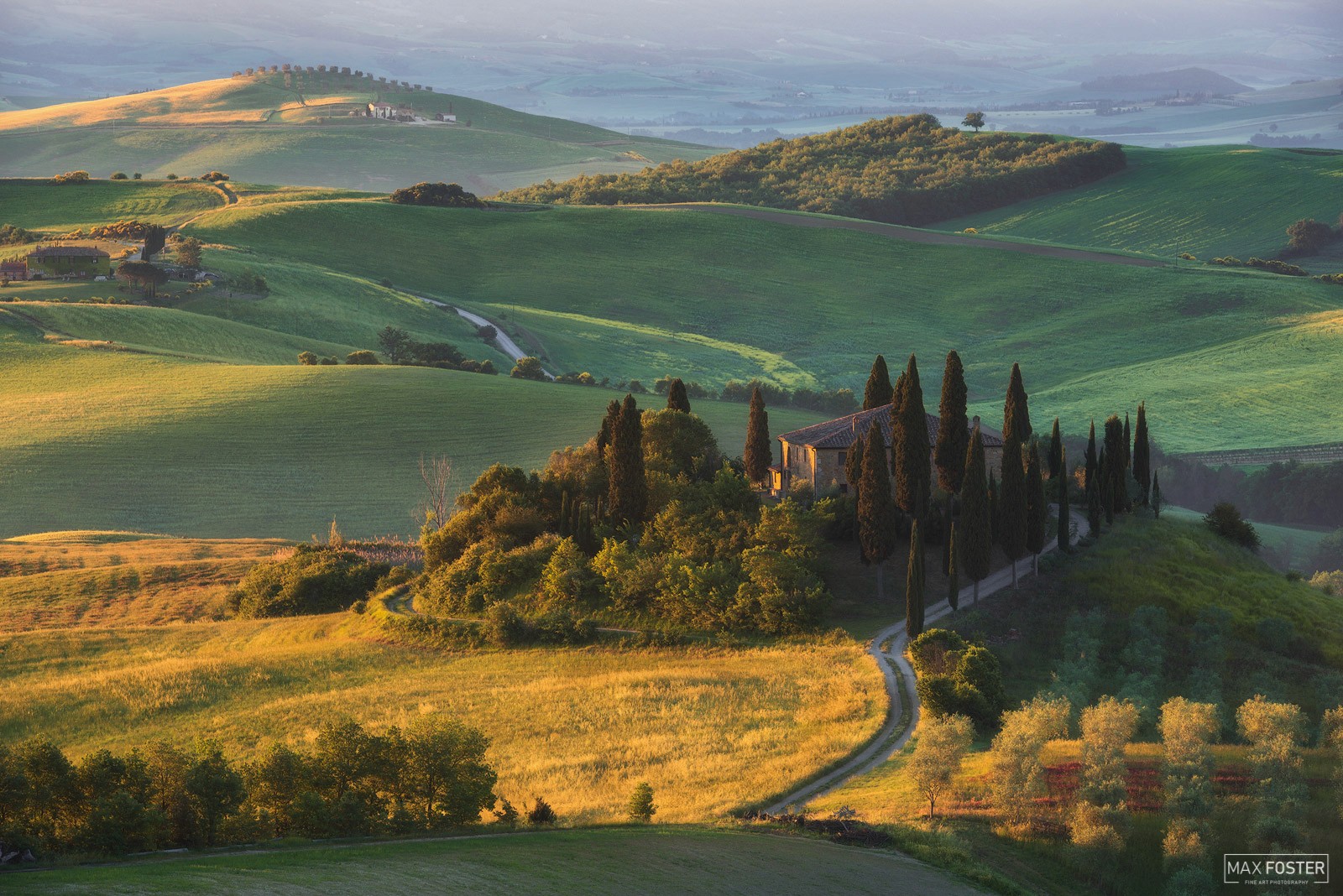
Chianti Classico offers the iconic image of Tuscany: rolling vineyards, cypress-lined roads, stone villages, and family-owned wineries.
Stretching between Florence and Siena, this region is one of Italy’s most recognizable wine destinations and an excellent choice for first-time visitors. The region’s wines are built around Sangiovese and carry the distinctive Black Rooster (Gallo Nero) seal. You’ll find some of Tuscany’s finest agriturismos here, many family-owned for generations.
Why Visit
Historic wineries
Family-owned estates
Agroturismos
Beautiful countryside drives
Medieval villages
Excellent restaurants
Easy access from Florence
Signature Wine
Produced primarily from Sangiovese, Chianti Classico is known for bright cherry fruit, lively acidity, and notable food-friendliness.
Villages Worth Exploring
Greve in Chianti
Radda in Chianti
Castellina in Chianti
Gaiole in Chianti
Panzano
Ideal Stay
2–3 days
This gives you enough time to enjoy wineries, leisurely lunches, village walks, and scenic drives without feeling rushed.
Montalcino
South of Chianti lies Montalcino, home to one of Italy’s most celebrated wines. Surrounded by vineyards and crowned by a medieval fortress, the hilltop town feels quieter and more intimate than many other wine destinations. The atmosphere here feels quieter and more focused.
Many wineries offer in-depth tastings where you’ll spend time with passionate producers learning how Brunello is crafted and aged. The surrounding Val d’Orcia landscape, recognized as a UNESCO World Heritage Site, is among the most beautiful in Italy.
Why Visit
Serious Wine lovers
Boutique wineries
Exceptional vineyard views
Relaxed atmosphere
Outstanding local cuisine
Signature Wine
Brunello di Montalcino DOCG
Made exclusively from Sangiovese, Brunello is renowned for its structure, complexity, and aging potential.
Don’t Miss
Historic town center
Fortress views
Vineyard lunches
Small producer tastings
Ideal Stay
1–2 days
Montepulciano
Montepulciano combines one of Tuscany’s great wine regions with one of its most beautiful hill towns. Often confused with the Montepulciano grape grown elsewhere in Italy, the town of Montepulciano is famous for Vino Nobile di Montepulciano, one of Tuscany’s historic appellations. Its Renaissance architecture, underground wine cellars, and panoramic viewpoints make it an appealing stop for wine lovers.
Historic wine cellars lie beneath Renaissance palaces, while the streets above are filled with cafés, artisan shops, and sweeping views over vineyards. It’s an ideal destination for travelers who want to balance wine with culture.
Why Visit
Historic wine cellars
Elegant hill town
Walkable center
Authentic atmosphere
Signature Wine
Vino Nobile di Montepulciano DOCG
Produced primarily from Sangiovese (locally called Prugnolo Gentile), elegant wines that offer great value.
Ideal Stay
One full day
Bolgheri
Unlike inland Tuscany, Bolgheri sits close to the Tyrrhenian Sea.
The region has become internationally recognized for producing Super Tuscan wines using Bordeaux grape varieties such as Cabernet Sauvignon, Merlot, and Cabernet Franc. The wineries are often contemporary in design, the roads are lined with towering cypress trees, and seafood frequently replaces traditional inland cuisine.
Why Visit
Prestigious wineries
Coastal scenery
Cypress-lined avenue
Contemporary wine architecture
Michelin-level dining nearby
Signature Wines
Super Tuscans
Bolgheri DOC
Ideal Stay
1–2 days
San Gimignano
Famous for its medieval towers, San Gimignano also produces Tuscany’s best-known white wine.
The town combines history, architecture, and wine into an easy day trip from Florence or Chianti.
Why Visit
UNESCO-listed medieval town
Vernaccia tastings
Artisan shops
Spectacular viewpoints
Signature Wine
Vernaccia di San Gimignano DOCG
One of Italy’s oldest documented white wines.
Ideal Stay
Half day to one day.
Maremma
Tuscany’s Best-Kept Secret
Southern Tuscany remains wonderfully under the radar. Maremma is less polished than Chianti, less famous than Montalcino, and that’s exactly its appeal.
Expect welcoming family wineries, fewer crowds, rolling countryside, and restaurants where locals outnumber visitors. The pace is slower. The hospitality feels personal. The experience is refreshingly authentic.
Why Visit
Returning visitors
Hidden gems
Authentic local experiences
Relaxed travel
Signature Wine
Morellino di Scansano DOCG (its signature red) & Vermentino ( White)
Typically fruit-forward, approachable, and elegant.
Ideal Stay
One day.
Which Tuscany Wine Region Is Right for You?
First-Time Visitors
Choose: Chianti Classico
It offers the broadest combination of scenery, wineries, villages, and accessibility.
Brunello Enthusiasts
Choose: Montalcino
Perfect for travelers interested in iconic wines that age well and boutique estates.
History Lovers
Choose: Montepulciano or San Gimignano
Both combine striking architecture with memorable wine experiences.
Collectors and Fine Wine Enthusiasts
Choose: Bolgheri
Ideal for visitors interested in internationally acclaimed Super Tuscan wines.
Return Visitor or Off-the-beaten Path Experiences
Choose: Maremma
An emerging must-visit region, rather than one of the four essential first-time destinations (Chianti Classico, Montalcino, Montepulciano, and Bolgheri). It is an excellent recommendation for travelers returning to Tuscany or those seeking experiences beyond the classic wine trail.
Can You Visit Multiple Wine Regions?
Yes, but resist the temptation to see everything.
A five-day Tuscany wine journey often combines:
Chianti Classico
Montalcino
while allowing time for villages, restaurants, and scenic drives.
Trying to include every wine region usually results in more time driving and less time enjoying the experiences that make Tuscany unforgettable.
🍷 The Vineyard Sunrise Takeaway
Every Tuscany wine region tells a different story.
Chianti Classico offers timeless scenery and welcoming estates. Montalcino is celebrated for Brunello and quieter vineyard experiences. Montepulciano blends Renaissance history with elegant wines, while Bolgheri introduces a coastal expression of Tuscany shaped by internationally acclaimed Super Tuscans. San Gimignano adds medieval charm and one of Italy’s most distinctive white wines. Off the beaten path travels, Maremma is the great choice.
The most memorable journeys are rarely defined by the number of wineries visited. They are shaped by meaningful conversations, memorable meals, scenic roads, and the freedom to slow down and experience Tuscany beyond the tasting room.

Travel Tips
If you can only choose two regions, pair Chianti Classico with Montalcino for the best balance of scenery, accessibility, and iconic wines. Book winery visits in advance, especially in Montalcino where smaller producers have limited capacity.
Frequently Asked Questions
Which Tuscany wine region is best for first-time visitors?
Chianti Classico is often the best starting point thanks to its accessibility, scenic landscapes, historic villages, and diverse winery experiences.
What is the difference between Chianti and Chianti Classico?
Chianti Classico is the historic heart of the Chianti production area, located between Florence and Siena. Wines labeled Chianti Classico DOCG come from this defined zone and are subject to specific production standards.
Is Brunello better than Chianti Classico?
Neither is objectively “better.” Brunello di Montalcino is generally produced for longer aging and is often more structured, while Chianti Classico offers a broader range of styles and is particularly versatile with food.
How many wine regions should I visit?
For most travelers, two regions provide a relaxed balance between wine tastings, sightseeing, and enjoying Tuscany at an unhurried pace.
About This Guide
Every Vineyard Sunrise guide combines information from official regional tourism organizations, Tuscany’s wine consortia, and trusted cultural institutions with our own firsthand travel experience and conversations with local wine professionals.
Our recommendations are always independent. We never accept paid placements from wineries, hotels, or restaurants. Every Vineyard Sunrise Insight reflects our philosophy of thoughtful, experience-led travel designed around the traveler—not around a checklist.